

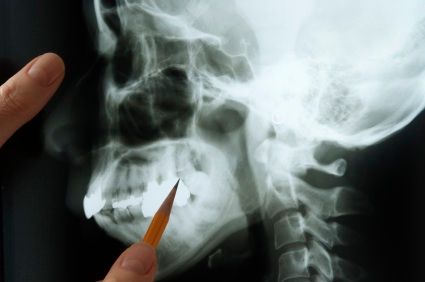
Can a small jaw joint really cause headaches, ear pain, and neck stiffness? Yes—TMJ disorder triggers far-reaching symptoms that most people never trace back to the jaw.
That nagging headache. The ringing in your ears. The stiff neck that won’t quit. For many people in Lewisville, Flower Mound, and Coppell, the surprising culprit isn’t stress or poor sleep alone—it’s a tiny joint near the ear called the temporomandibular joint. When it acts up, the ripple effects reach far beyond the jaw. The Lewisville Dentist offers TMJ treatment and relief under the care of Dr. Julio Obando and Dr. Muhammad Murad, helping patients connect scattered, unexplained symptoms back to one treatable source.
What TMJ and TMD Actually Are
The temporomandibular joint (TMJ) connects your lower jawbone to your skull. You use it constantly—every time you speak, chew, swallow, or yawn. TMJ refers to the joint itself, while TMD (temporomandibular disorder) refers to the condition when that joint malfunctions. Millions of Americans live with chronic facial pain, recurring headaches, and neck tension tied directly to TMD. A “jaw problem” rarely stays in the jaw.
Why One Small Joint Causes Far-Reaching Problems
The jaw joint sits directly in front of the ear, surrounded by nerves and major muscle groups that run through the head and neck. When the joint is strained or misaligned, that tension radiates outward, pulling on muscles you’d never think to connect to your jaw. Because the joint is in constant use, even minor dysfunction gets amplified over time. Pain that starts in one spot travels along connected muscles and nerves.
The Symptoms That Reach Beyond Your Jaw
TMD produces a surprisingly wide range of warning signs. In the head and neck, frequent headaches, recurring neck aches, and muscle spasms are common. Around the ears, patients often experience ringing, stuffiness, or aching that mimics an ear infection—yet no infection exists. The jaw itself may click or pop during movement, feel locked, or open only with difficulty. Swelling along the sides of the face is also possible. Even the bite can shift, with the upper and lower teeth no longer lining up the way they used to. Recognizing any combination of these signs is reason enough to seek an evaluation.
How TMD Quietly Disrupts Daily Life
TMD chips away at ordinary moments. Chewing favorite foods becomes uncomfortable. Sleep suffers when clenching or grinding wakes you up—or leaves you sore by morning. Persistent headaches and ear pressure drain concentration throughout the day. Even a simple conversation can become frustrating when jaw movement hurts. Left untreated, these small disruptions compound into a noticeably reduced quality of life.
Daily Habits That Prevent or Ease TMD
Small adjustments offer real protection. Follow the simple rule: lips together, teeth apart—your teeth should never rest in contact unless you’re actively chewing. Avoid constant gum chewing and stop cradling the phone between your ear and shoulder. Chew food evenly on both sides of your mouth, resist resting your chin on your hand, and sit with your head up, back straight, and shoulders squared. These posture and habit changes reduce stress on the joint over time.
Common Mistakes People Make With Jaw Pain
Many people blame headaches entirely on stress without ever considering the jaw. Others notice jaw clicking but ignore it because there’s no pain—yet early evaluation prevents bigger problems later. Ear symptoms are frequently treated as infections when TMD is actually the cause. Pushing through a locked or restricted jaw without professional input only delays relief. Each of these mistakes prolongs discomfort that can be addressed effectively with the right care.
When and How to Get Evaluated
Anyone recognizing these symptoms should consider a TMD consultation. Dr. Julio Obando and Dr. Muhammad Murad review symptoms, examine the jaw, and discuss likely causes to determine the right path forward. Treatment options include a custom night guard to ease grinding and protect the joint, lifestyle and habit coaching, or a referral to a TMJ specialist when a more permanent solution is needed.
Frequently Asked Questions
Can TMJ problems really cause headaches and ear pain? Yes. The jaw joint sits near nerves and muscles that connect directly to the head and ear, so dysfunction there frequently produces both.
Is jaw clicking always a sign of TMD? Not always, but clicking combined with pain, stiffness, or limited movement warrants professional evaluation.
Can TMD go away on its own? Mild cases sometimes improve with habit changes, but persistent or worsening symptoms benefit from professional treatment.
Does a night guard actually help? For many patients, yes. A custom-fitted night guard reduces clenching forces and protects the joint during sleep.
How do I know if I grind my teeth in my sleep? Common signs include a sore jaw in the morning, worn tooth surfaces, and disrupted sleep—your dentist can also spot the signs during a routine exam.
When should I see a dentist versus a specialist? Start with your dentist. They can evaluate your symptoms and refer you to a TMJ specialist if your case requires more advanced care.
Take the First Step Toward Lasting Relief
TMJ trouble rarely stays put. From headaches and neck pain to ear symptoms and bite changes, one small joint can disrupt your entire day. The good news is that simple habits help, and the right evaluation can pinpoint the cause and guide effective relief. If any of these symptoms sound familiar, reach out to The Lewisville Dentist and schedule a TMD consultation with Dr. Julio Obando or Dr. Muhammad Murad. Call, text, or email today. Proudly serving Lewisville, Flower Mound, and Coppell.
Contact The Lewisville Dentist for more information:
(469) 708-4713
Location (Tap to open in Google Maps):
297 W FM 3040 Ste 127
Lewisville, Texas
75067